June is Alzheimer’s & Brain Awareness Month—a time to raise awareness about Alzheimer’s disease and other forms of dementia while highlighting the strategies that can help individuals maintain independence, safety, and quality of life.
While there is currently no cure for Alzheimer’s disease, research continues to show that staying physically active, socially engaged, and mentally stimulated can play an important role in supporting cognitive function and overall well-being. This is where Physical Therapy (PT), Occupational Therapy (OT), and Companion Care can make a meaningful difference for both individuals living with dementia and their families.
Understanding Alzheimer’s Disease
According to the Centers for Disease Control and Prevention (CDC), Alzheimer’s disease is the most common form of dementia and affects memory, thinking, problem-solving, and the ability to perform everyday activities. It is a progressive condition, meaning symptoms gradually worsen over time.
Although age remains the greatest risk factor, researchers have identified several lifestyle factors that may influence brain health and cognitive function throughout life. Physical activity, social engagement, and maintaining an active lifestyle are among the most consistently supported strategies for promoting healthy aging.
The Power of Movement for Brain Health
Research has repeatedly demonstrated a strong connection between physical activity and cognitive health. Studies have found that regular exercise may reduce the risk of cognitive decline and dementia while supporting memory, attention, and overall brain function.
In fact:
- Research summarized by the Alzheimer’s Society suggests that people who exercise regularly may be up to 20% less likely to develop dementia compared to those who are inactive.
- Recent research from Johns Hopkins Bloomberg School of Public Health found that even modest amounts of weekly physical activity were associated with significantly lower dementia risk.
- Emerging evidence suggests that regular walking and daily movement may help slow cognitive decline in individuals at higher risk for Alzheimer’s disease.
How Physical Therapy Helps
Physical therapists help individuals with Alzheimer’s disease maintain safe mobility and physical function through personalized exercise and movement programs.
PT interventions may include:
- Strength training
- Balance and fall prevention exercises
- Gait training
- Functional mobility training
- Endurance and cardiovascular conditioning
- Caregiver education for safe transfers and mobility
As cognitive changes progress, maintaining strength and mobility becomes increasingly important for preserving independence and reducing fall risk. PT programs can be adapted to each person’s abilities and goals, helping them remain active and engaged in daily life.

Why Social Engagement Matters
Brain health isn’t only about exercise—it’s also about connection.
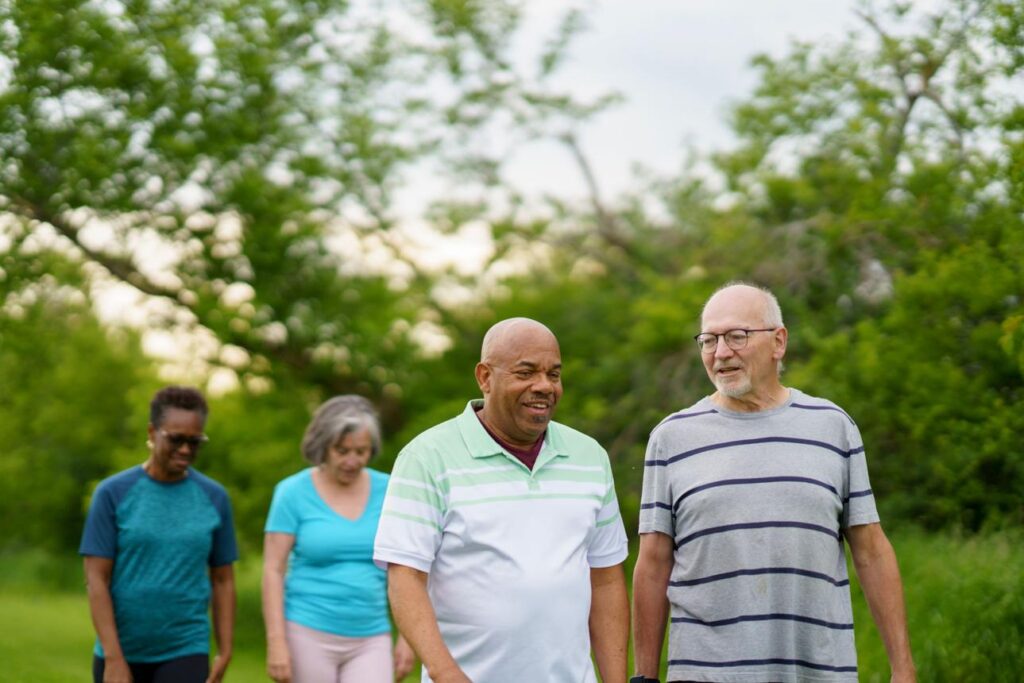
Research continues to demonstrate that social isolation is associated with increased risk of cognitive decline and dementia. Older adults who remain socially active often experience better cognitive outcomes and improved quality of life.
Studies have shown that social engagement may help:
- Support cognitive function
- Reduce feelings of loneliness
- Improve mood and emotional well-being
- Encourage participation in meaningful activities
- Promote a sense of purpose and routine
The Alzheimer’s Association’s U.S. POINTER study further reinforced the importance of combining physical activity, social engagement, cognitive challenges, and healthy lifestyle habits to support brain health.
The Role of Occupational Therapy
Occupational therapists focus on helping individuals participate safely and successfully in everyday activities.
For someone living with Alzheimer’s disease or another form of dementia, OT can help maintain independence by addressing:
- Dressing and grooming
- Meal preparation
- Home safety
- Medication management strategies
- Daily routines and structure
- Cognitive compensation techniques
- Adaptive equipment recommendations
Occupational therapists also work closely with caregivers to identify environmental modifications and practical strategies that support safety while maximizing independence. This individualized approach can help reduce frustration and improve participation in meaningful daily activities.
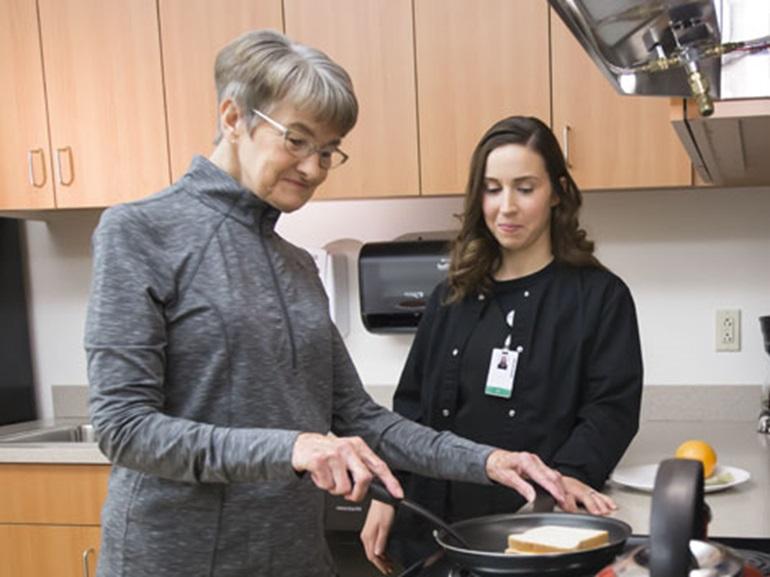

Companion Care: Supporting Both Individuals and Families
One of the greatest challenges families face when caring for a loved one with Alzheimer’s disease is balancing safety, supervision, and meaningful engagement while managing caregiver stress.
Companion Care provides an additional layer of support that extends beyond therapy services.
Companion Care may include:
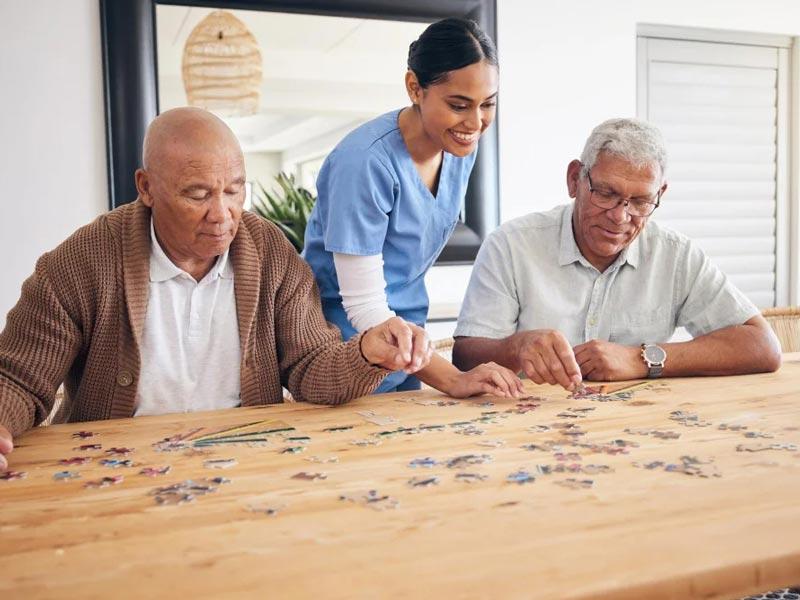
- Social interaction and conversation
- Assistance with daily routines
- Participation in hobbies and meaningful activities
- Accompaniment on walks and outings
- Meal preparation assistance
- Medication reminders
- Transportation support
- Respite for family caregivers
Consistent social interaction and structured daily activities can help individuals remain engaged while reducing feelings of isolation. For family members, Companion Care provides valuable respite and can help reduce caregiver burnout.
A Team Approach to Alzheimer’s Care
The best outcomes often occur when care is personalized and collaborative.
Physical Therapy, Occupational Therapy, and Companion Care each address different aspects of living with Alzheimer’s disease:
| Service | How It Helps |
|---|---|
| Physical Therapy | Improves strength, balance, mobility, and fall prevention |
| Occupational Therapy | Supports independence with daily activities and home safety |
| Companion Care | Provides social engagement, structure, support, and caregiver relief |
Together, these services can help individuals maintain function, stay active, and enjoy a higher quality of life for as long as possible.
How Full Distance Can Help
At Full Distance, we are proud to support individuals and families navigating Alzheimer’s disease and other forms of dementia through comprehensive, compassionate care.
Our services include:
- Physical Therapy
- Occupational Therapy
- Companion Care
- Caregiver Support and Education
- Wellness and Fitness Programs
Whether you are looking to improve safety at home, maintain independence, reduce fall risk, or provide meaningful social support for a loved one, our team is here to help.
Learn More About Our Services
Purcellville Location
Full Distance Physical Therapy & Wellness – Purcellville
Smith Mountain Lake / Mariners Landing Location
Full Distance Physical Therapy – Mariners Landing
If you have questions about how PT, OT, or Companion Care can support you or a loved one, contact our team to schedule a consultation.