Supporting family caregivers and helping loved ones maintain independence, safety, and quality of life.
Every November, we recognize National Family Caregivers Month, a time to honor the millions of Americans who provide care, comfort, and support to aging parents, spouses, family members, and loved ones living with disabilities or chronic health conditions. Caregiving is one of the greatest acts of love, but it can also be physically, mentally, and emotionally demanding. Many family caregivers balance their responsibilities with full-time jobs, raising children, managing households, and maintaining their own health.
At Full Distance Physical Therapy & Wellness, we believe that caring for a loved one shouldn’t mean putting your own well-being last. Through physical therapy, occupational therapy, caregiver education, and companion care, our teams in Purcellville and Mariners Landing, Virginia, are here to help families navigate the challenges of caregiving with greater confidence and support.
The Growing Role of Family Caregivers in America
According to the AARP and National Alliance for Caregiving, 63 million U.S. adults provided ongoing family care in 2025 and nearly 1 in 4 American Adults are Family Caregivers
Family caregiving is more common than many people realize. According to the 2025 report from AARP and the National Alliance for Caregiving, approximately 63 million American adults provided ongoing care for someone with a medical condition or disability in the previous year. That’s a 45% increase since 2015.
The report also found that:
- Nearly 1 in 4 caregivers provides 40 or more hours of care each week.
- Approximately 6 in 10 family caregivers are also employed.
- Nearly 1 in 3 caregivers of adults is raising children under 18.
- Almost 40% say respite services would be helpful.
These statistics highlight something important: millions of families are navigating caregiving responsibilities, often with limited time, resources, or outside assistance.
Understanding Caregiver Burnout: When Caring Becomes Overwhelming
Caring for a loved one can be incredibly rewarding, but the ongoing responsibilities can eventually take a toll. Caregiver burnout is a state of physical, emotional, and mental exhaustion that can develop when caregiving demands become overwhelming, particularly when caregivers don’t have adequate opportunities for rest or support. Burnout can happen gradually. What begins as helping a parent with groceries or transportation may evolve into assisting with bathing, dressing, mobility, medication routines, and daily supervision.

Common signs of caregiver burnout include:
- Persistent fatigue or difficulty sleeping
- Increased anxiety, frustration, or irritability
- Feeling overwhelmed by everyday responsibilities
- Withdrawing from friends, family, or enjoyable activities
- Neglecting personal health, exercise, or medical appointments
- Physical discomfort from assisting with lifting, transfers, or mobility
The 2025 Caregiving in the U.S. report found that nearly two-thirds of caregivers experience moderate or high emotional stress, while 45% report moderate or high physical strain. Additionally, 23% have difficulty caring for their own health because of caregiving responsibilities. Recognizing these warning signs is important. Asking for assistance doesn’t mean someone is failing as a caregiver, it means recognizing that their own health and well-being matter, too.
How Physical Therapy and Occupational Therapy Can Support the Whole Family
At Full Distance Physical Therapy & Wellness, we understand that helping someone maintain their independence can make a meaningful difference not only in their life, but also in the lives of those caring for them. Our physical and occupational therapy services focus on helping individuals safely participate in everyday activities while providing caregivers with education and practical strategies.
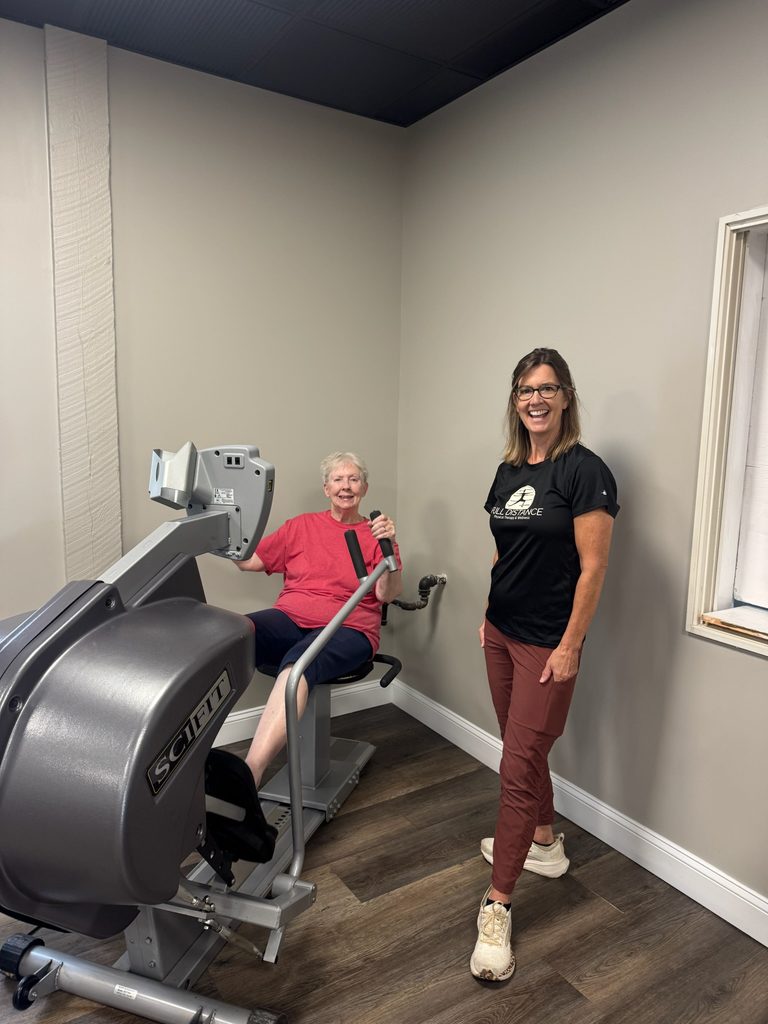
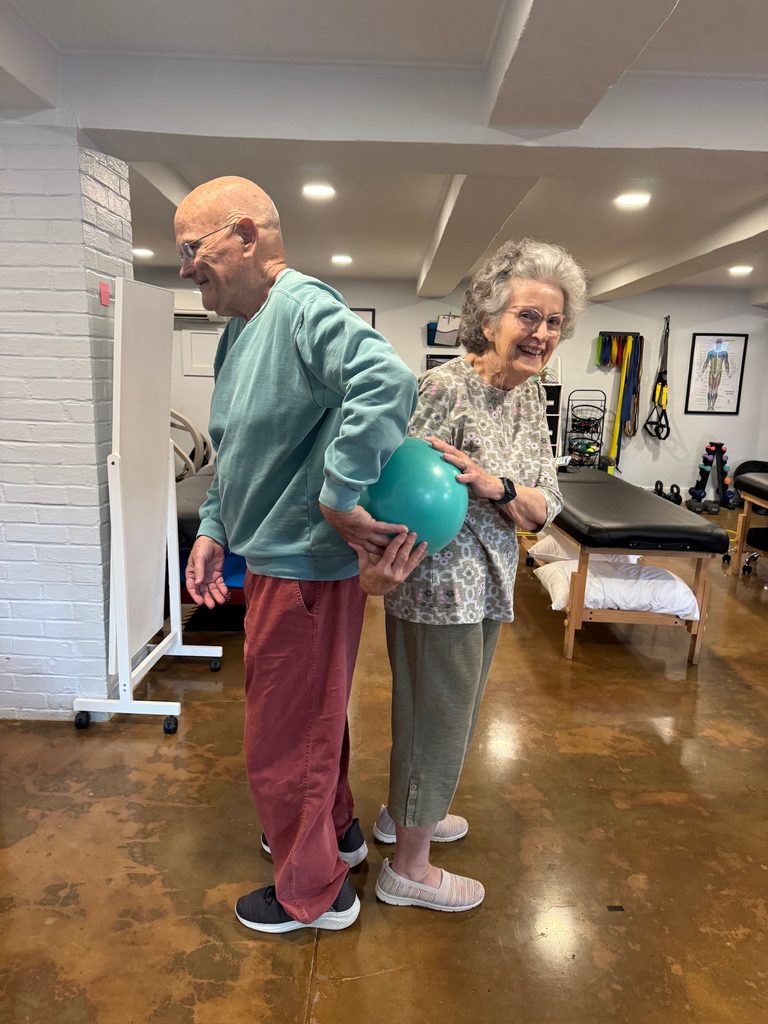

1. Improving Strength, Balance, and Mobility
When a loved one experiences weakness, balance difficulties, or limited mobility, everyday tasks can become challenging for everyone involved.
Physical therapy can help individuals:
- Improve strength and endurance for daily activities
- Develop better balance and coordination
- Improve walking ability and functional mobility
- Reduce fall risk through individualized exercise and education
- Build confidence moving around their home and community
By helping loved ones maintain or improve their physical abilities, physical therapy may also reduce the amount of hands-on assistance caregivers need to provide.
2. Fall Prevention and Safe Transfers
For many caregivers, one of the greatest concerns is the possibility of a loved one falling. The Centers for Disease Control and Prevention (CDC) emphasizes the importance of identifying fall risks and taking steps to improve safety among older adults.
Our physical and occupational therapy teams can help families understand how to:
- Identify common fall hazards (check out our home fall assessment) and improve home safety
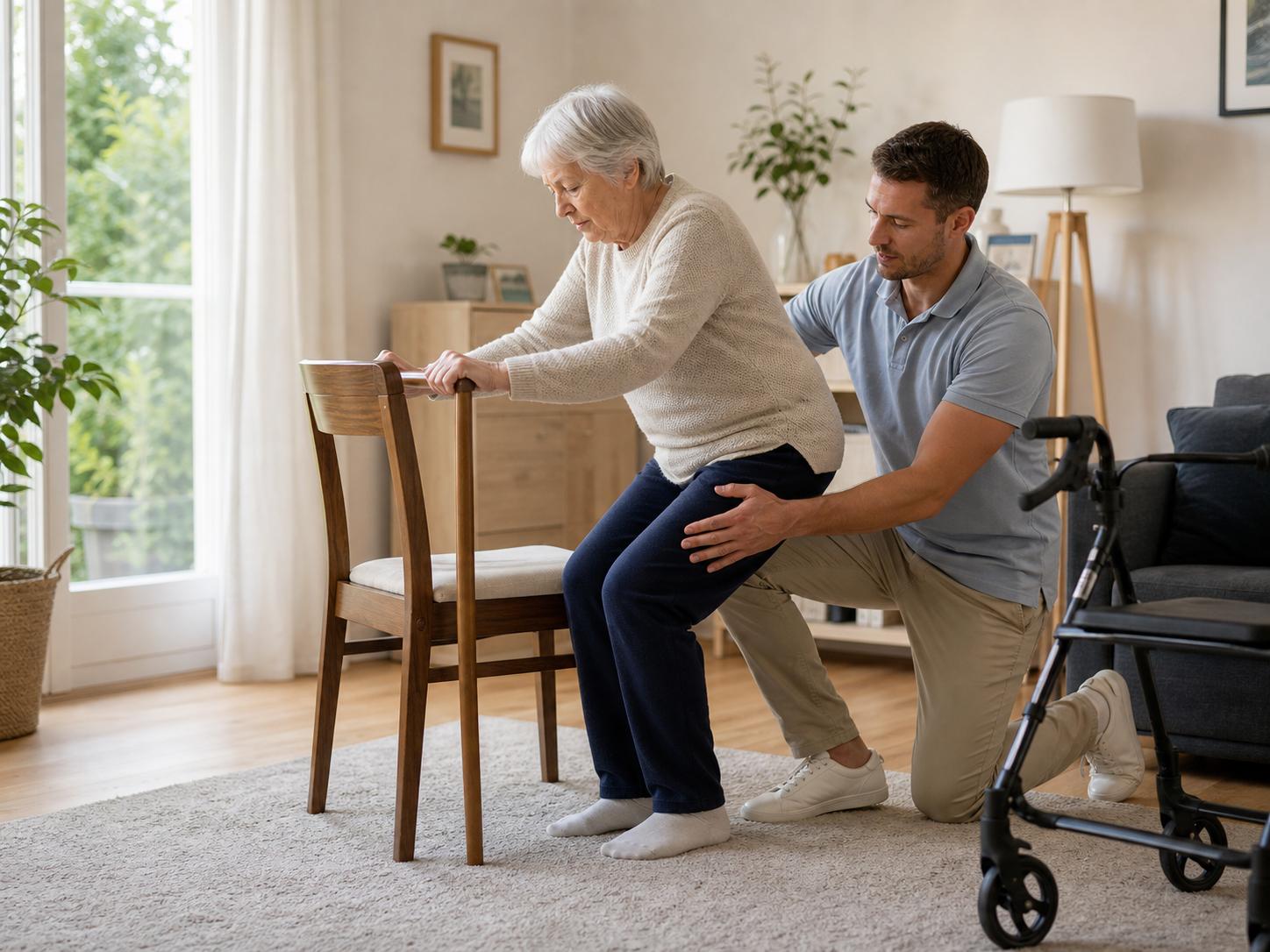
- Assist loved ones with moving from sitting to standing
- Practice safer transfers between beds, chairs, and other surfaces
- Use mobility aids and adaptive equipment appropriately
- Encourage safe movement while maintaining as much independence as possible
These strategies can help protect both the individual receiving care and the caregiver assisting them. Safe transfer techniques should be taught and practiced with a qualified professional based on the individual’s abilities and needs, rather than attempting potentially unsafe lifting techniques at home.
3. Making Everyday Activities Easier Through Occupational Therapy
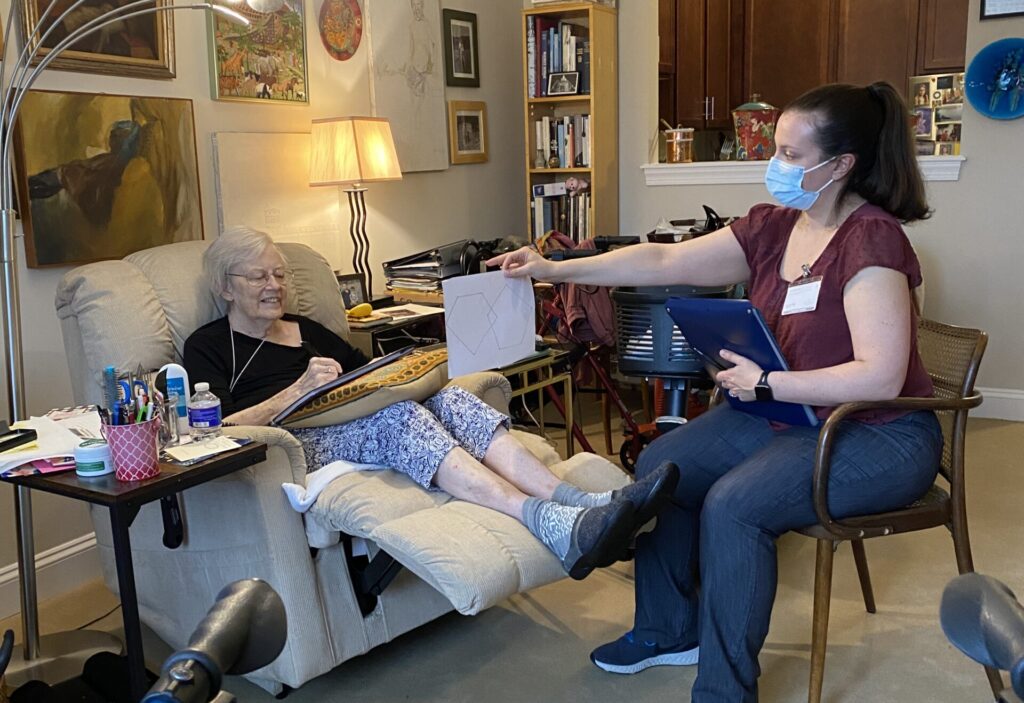
Occupational therapy focuses on helping people participate as independently and safely as possible in the activities that matter most to them. For individuals experiencing physical limitations, cognitive changes, or age-related challenges, even simple daily routines can become difficult.
Our occupational therapists can help with:
- Dressing, bathing, grooming, and other personal care routines
- Adaptive equipment recommendations
- Home modifications to improve accessibility and safety
- Energy conservation and task-simplification strategies
- Caregiver education for everyday activities
Sometimes, small adjustments can make a significant difference. Learning a safer way to get dressed, modifying a bathroom setup, or introducing an appropriate assistive device can help loved ones maintain dignity and independence while easing the caregiver’s daily responsibilities.
Companion Care: Giving Caregivers the Breaks They Deserve
One of the most important things caregivers can do for their loved ones is also one of the most difficult: take time for themselves. Whether it’s attending a medical appointment, exercising, meeting a friend for lunch, or simply enjoying a quiet afternoon, caregivers deserve opportunities to recharge. According to the CDC, even a few hours of respite each week can improve caregiver well-being.
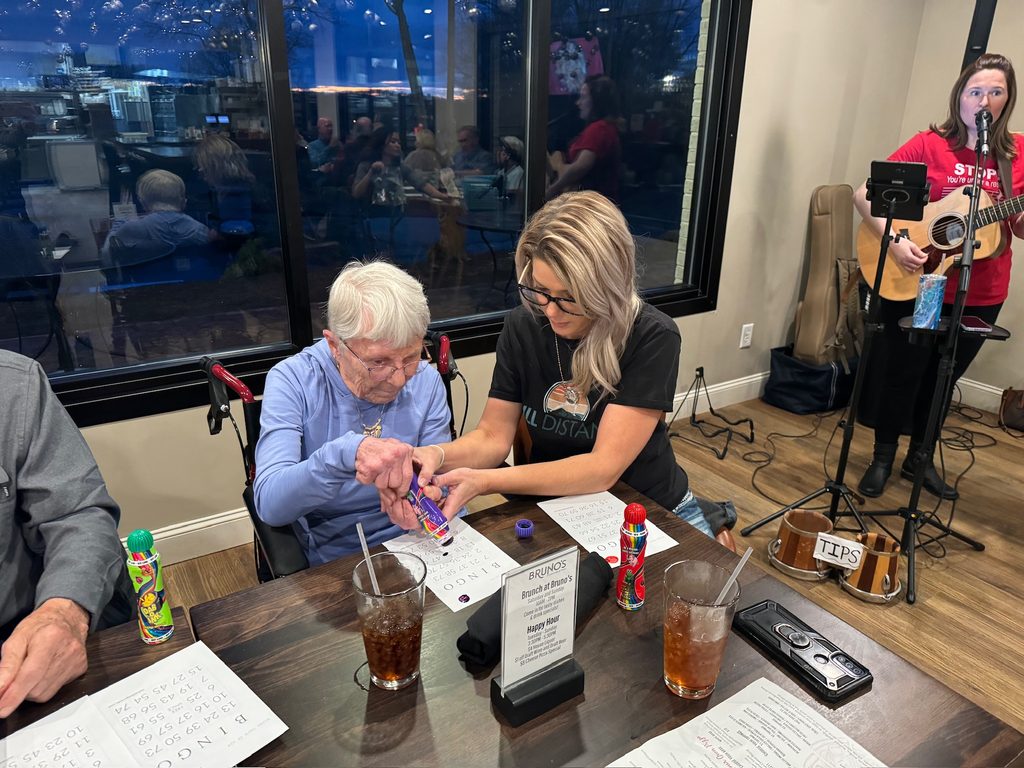
At Full Distance, our companion care services provide companionship and a helping hand with everyday activities, offering families an additional layer of support. Companion care may include friendly conversation, social engagement, assistance with appropriate daily routines, and meaningful companionship tailored to the individual’s needs. For caregivers, having someone they trust spend time with a loved one can provide an opportunity to step away from their responsibilities, knowing their family member has support and companionship.
Companion care is not a substitute for skilled nursing or hands-on medical care, but it can be a valuable resource for families who need nonmedical assistance and time to recharge.
Caring for Yourself Is Part of Caring for Someone Else
The CDC encourages family caregivers to maintain their own health, preserve personal interests, ask others for help, and schedule regular breaks.
If you’re caring for a loved one, consider these simple reminders:
- Make time for your health. Stay active, attend your own appointments, and prioritize sleep and nutrition.
- Accept help. You don’t have to manage every responsibility alone.
- Stay connected. Maintain relationships and activities outside your caregiving role.
- Seek professional guidance. Physical and occupational therapists can help you learn safer and more effective caregiving strategies.
- Schedule breaks. Even small periods of personal time can help you feel more rested and supported.
Caregiving is a journey, and having the right resources can make that journey more manageable.
Supporting Families in Purcellville and Mariners Landing
This National Family Caregivers Month, Full Distance Physical Therapy & Wellness extends our heartfelt appreciation to every family caregiver in our communities. We see the love, patience, and dedication it takes to support someone through life’s challenges. We also recognize that caregivers need care, encouragement, and support of their own. Whether your goal is to help a loved one maintain their independence, learn safer ways to assist with daily activities, or explore companion care for additional support, our team is here to help you find the right resources.
You care for them. Let us help care for you.